
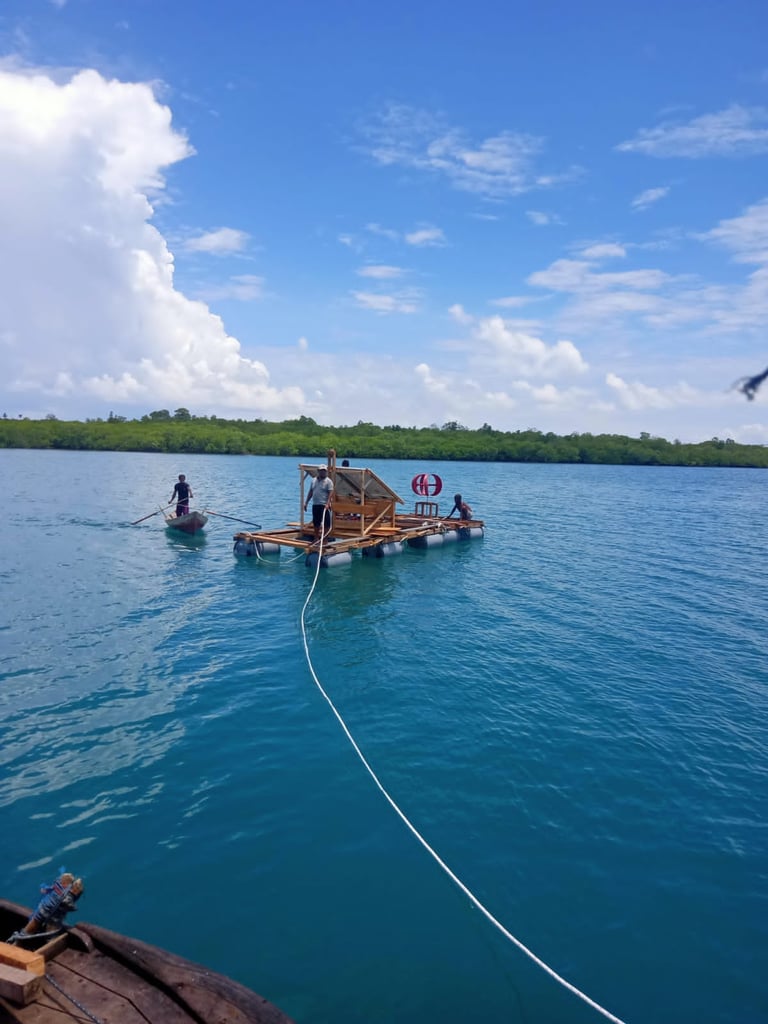
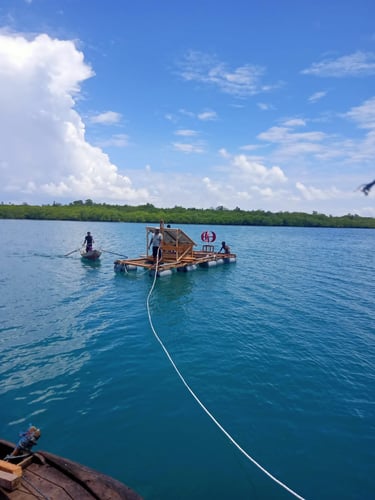
One modular stack. Three deployment environments.
Coastal cages, inland biofloc tanks, aquaponic facilities—the same integrated infrastructure deploys across all three. Operators own their energy and control their reliability from day one.
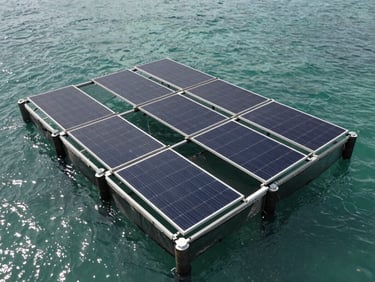
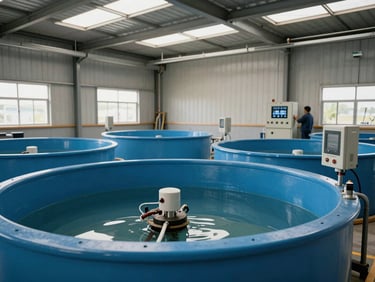
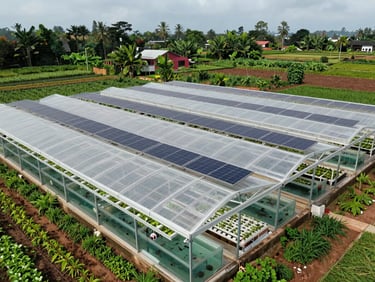
Same stack. Site-specific integration.
Coastal Floating Solar
Inland Biofloc Systems
Aquaponic Facilities
Integrated fish-plant systems powered entirely off-grid. One energy source covers water pumps, grow lighting, and environmental controls across the full cycle.
Solar arrays mounted directly on fish cage pontoons. Grid-independent power for aerators, feeders, and monitoring—deployed without shore infrastructure.
Renewable power for high-density biofloc operations: continuous aeration, water quality sensors, and automated feeders running on owned energy, not grid contracts.
Track: coastal / brackish / open water. Load type: continuous low-draw operations.
Track: inland / land-based. Load type: high-draw continuous aeration and climate control.
Track: integrated food production. Load type: mixed — pumping, lighting, climate.
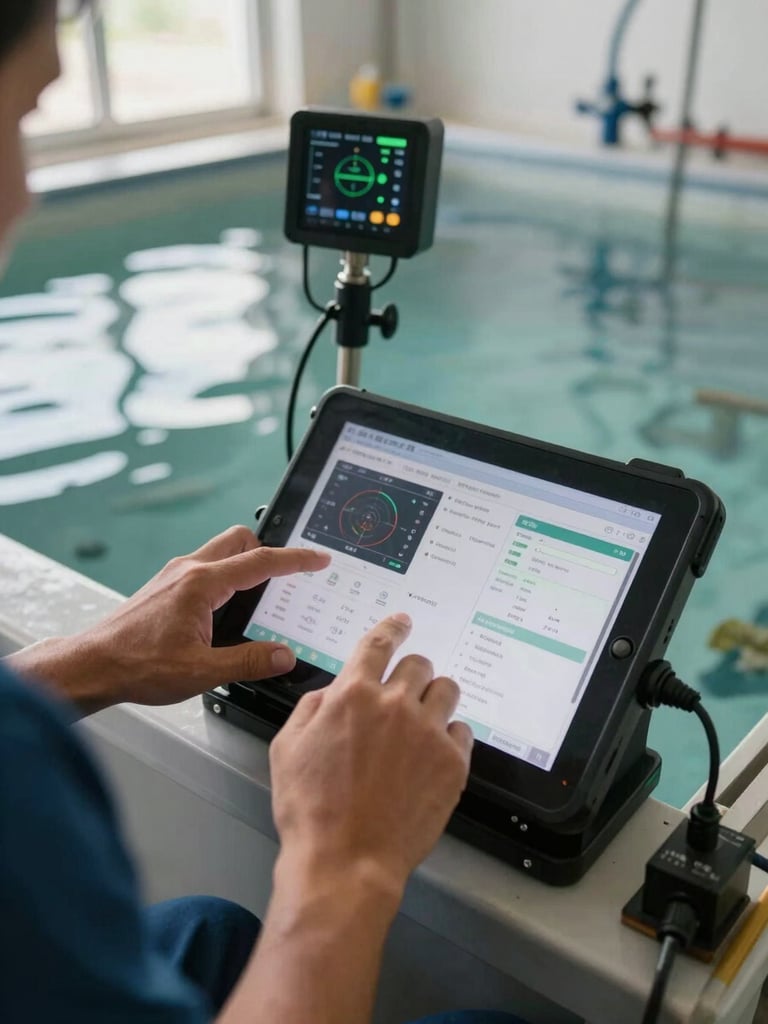
Control and visibility across every site.
Energy generation, storage state, load distribution, and water quality data converge in a single operator dashboard. No separate vendor contracts, no siloed data streams.
Remote alerts flag anomalies before they become outages. Operators on coastal sites and inland facilities share the same interface and the same reliability baseline.
A structured path to owned infrastructure.
No open-ended scoping. Each deployment follows a defined sequence: site assessment, system sizing, installation, commissioning, and operator handoff.
01 — Site Assessment
02 — System Integration
03 — Commissioning & Handoff
Modular components—generation, storage, control layer—configured for the site's load profile. The same modules deploy across all three tracks without custom fabrication.
Live system commissioning with on-site operator training. Smartfocs hands off a fully documented, operator-controlled system—no ongoing dependency on our team.
Energy audit and load profiling for the target site. Output: a verified sizing spec and infrastructure map before any hardware is ordered.