
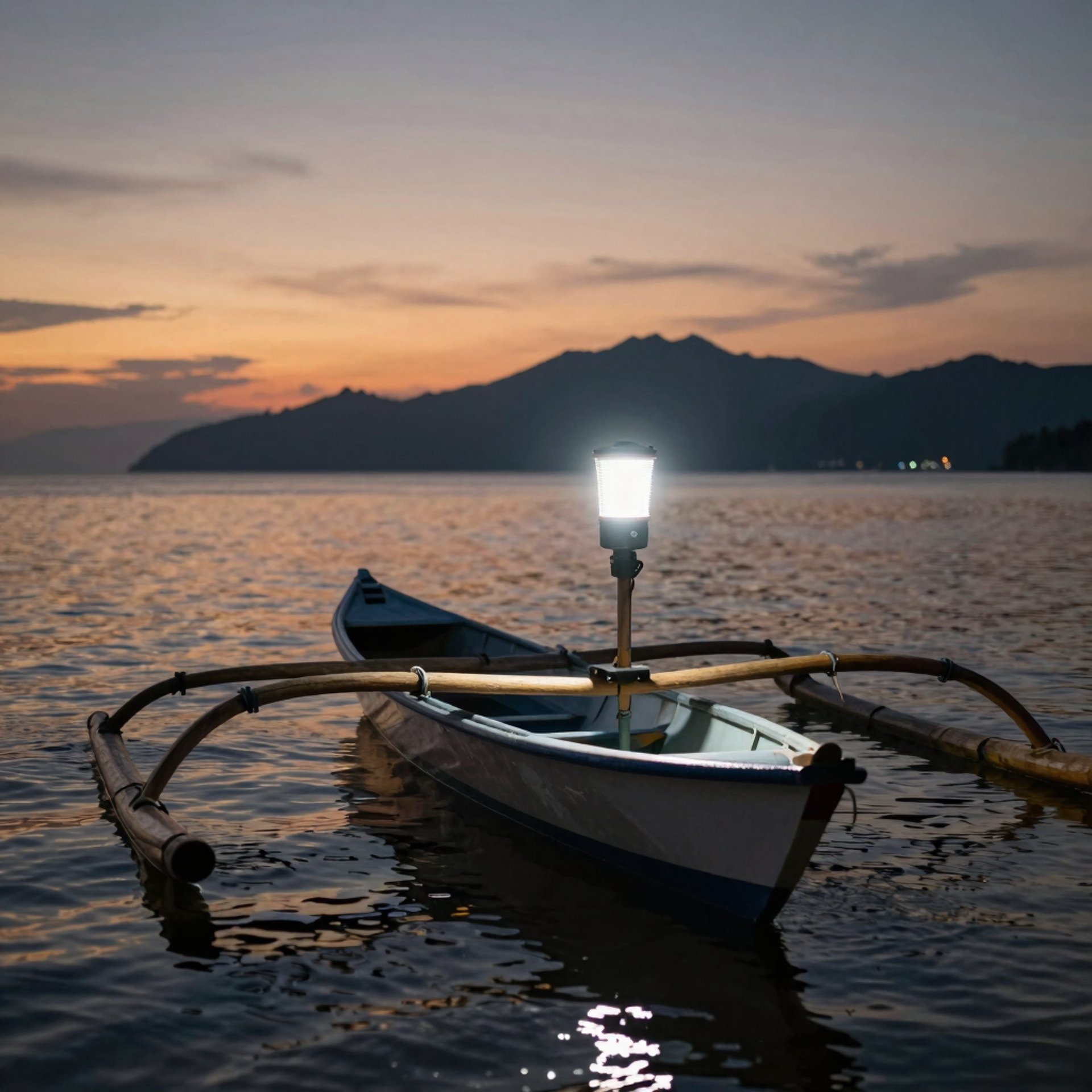
Deployed. Measured. Ready to scale.
Smartfocs operates renewable infrastructure across aquaculture sites—not projections, but verified reductions in energy cost, carbon, and grid dependency.
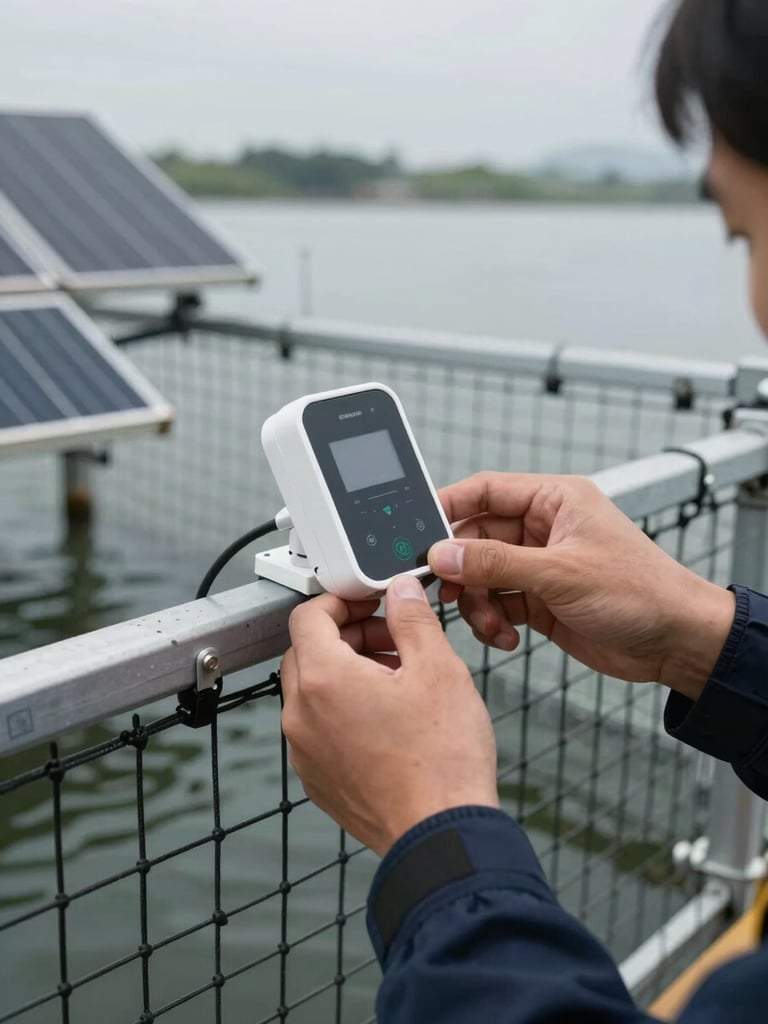
Outcomes from operating sites
40–55% reduction in energy costs
Operator sites running Smartfocs infrastructure report energy cost reductions measured post-installation, not modeled in advance.
30% increase in harvest productivity
Stable, owned power eliminates the grid-failure downtime that forces premature harvest cycles and lowers yield quality.
Carbon emissions are reduced at every location
Each deployed system displaces diesel and unstable grid draw. Carbon reduction is a structural output, calculated per site from actual consumption data.
SDG alignment built into the architecture
These goals are not reporting categories layered on after deployment. They are structural consequences of how the system is designed.
SDG 2 — Zero Hunger
SDG 7 — Clean Energy
SDG 13 — Climate Action
SDG 14 — Life Below Water
Reliable infrastructure keeps aquaculture operations running at full capacity, increasing food output for local and national supply chains.
Floating solar and distributed renewable systems replace fossil-fuel and grid dependency at the farm level—operator-owned, not utility-dependent.
Each installation displaces carbon-intensive power at the point of use. Aggregate emissions avoided scale with every new site deployed.
Smart load management and closed-loop biofloc systems reduce effluent and thermal stress on surrounding water ecosystems.
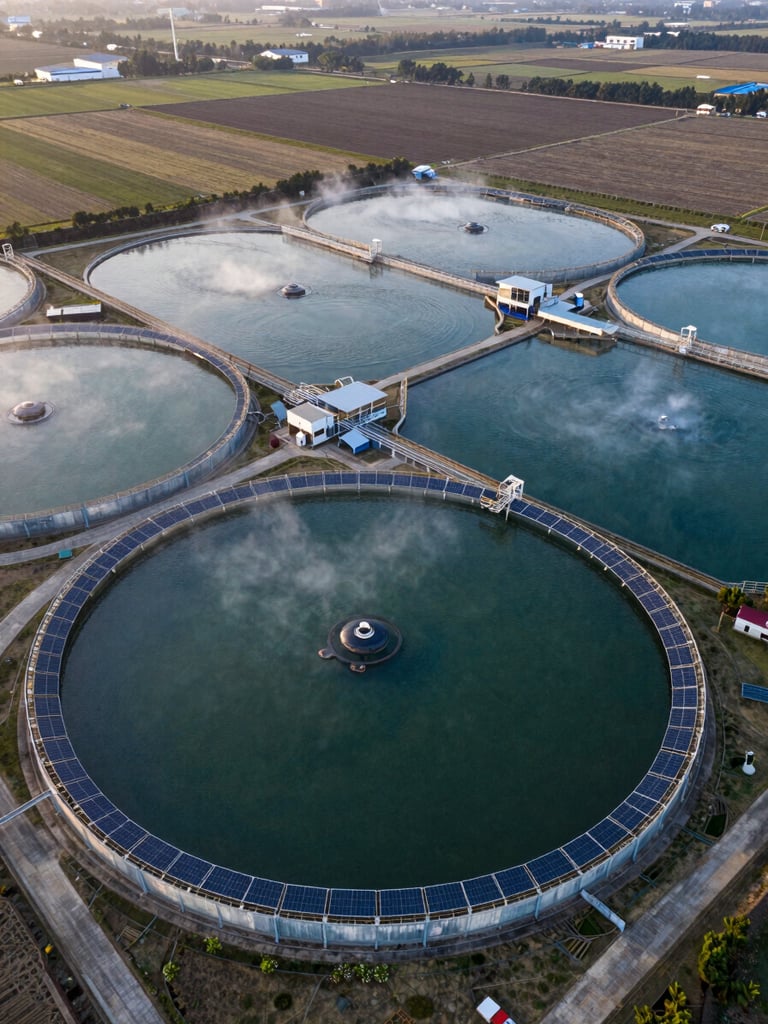
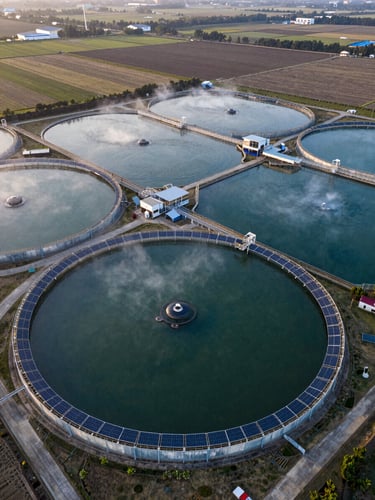
One infrastructure model. Every aquaculture geography.
From coastal floating solar to inland biofloc and aquaponic systems—the same distributed infrastructure logic extends across Indonesia without rebuilding the model.
The 3–5 year trajectory: 100+ sites, three integrated system types, operator-owned energy assets, and a replicable financing structure built for cooperative scale.